The Wallace Effect

The Wallace Effect — the process by which historical villains are rehabilitated and exaggerated over time
In 1995, an American filmmaker Mel Colm-Cille Gerard Gibson directed and starred in the film Braveheart.
The film begins with these words:
"I shall tell you of William Wallace. Historians from England will say I am a liar (...)"
Historians from Scotland — and pretty much everywhere else — will say the same thing.
The film is shot beautifully, its soundtrack is stunning and otherworldly, and it mixes reality with fantasy fluently.
Braveheart is a great piece of fiction, but a complete disaster as non-fiction.
Braveheart — (Theatrical Release Poster)
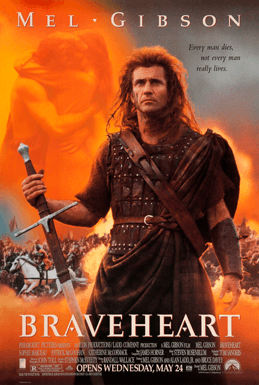
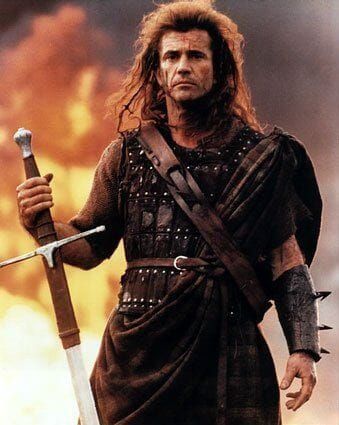
Braveheart tells a story of a charismatic, strong, honourable, and very handsome man who led oppressed Scottish peasants in the fight against tyranny. William Wallace faces corruption, oppression, and betrayal, but his heart cannot stand the suffering of his brethren, so he fights on heroically against all odds.
The real William Wallace was almost entirely forgotten before the film was released, even though he was a real historical figure whose rebellion genuinely mattered to medieval Scotland.
Now, most people "know" him through the myth manufactured by Braveheart. A myth that bears only a passing resemblance to reality.
But before we analyze the "Wallace Effect", first let us examine the story the myth tells. Then we can break it down and see how it falls apart under scrutiny.
The William Wallace In Braveheart — The Myth
For a start, we will briefly examine the mythical William Wallace as portrayed by the film. We will compare him with the real Wallace in the next section.
Myth
William Wallace in the movie starts off as an innocent Scottish boy whose father and older brother are killed when they resist the English invaders. Wallace leaves home to be raised by his uncle and returns as an adult.
Upon return, Wallace wants nothing but a simple, peaceful life. He knows that Scotland is at war, but he is a man of peace who just wants to raise a family, grow crops, and live away from the power-hungry kings and nobles fighting over wealth and control.
(Relatable wish. Most people just want peace, so modern audiences already rooted for him at the start of the film)
The film introduces the theme of a reluctant-pacifist-hero-forced-into-war very quickly when William marries his childhood friend before English soldiers first assault her, and the sheriff in charge of the English garrison murders her.
William Wallace escapes, but when he realizes that his wife did not make it, he returns to the village, feigns surrender, then strikes at the English soldiers in retaliation.
A fight erupts; other Scottish peasants, after years of oppression and fear under English rule, pick up their weapons and join Wallace in the heat of the moment. They overthrow the English garrison and William Wallace personally slits the sheriff's throat and avenges his wife.
The news of the rebellion spreads, and other Scottish clans overthrow their own English garrisons before marching to meet up with Wallace and his followers. Initially hesitant, William Wallace realizes that he is not the only victim of the English oppression. Sympathetic to his fellow Scots, he reluctantly agrees to lead the charge against the King of England and liberate Scotland.
The rebellion grows until William Wallace's mere name strikes fear in the hearts of the tyrannical English invaders.
Throughout the film, Wallace is portrayed as a brave, honourable knight and leader who fights for Scotland and its people, unlike the English who seek to oppress them, or self-interested, cowardly Scottish nobles who always pick the stronger side.
In the end, William Wallace is betrayed by treacherous Scottish nobles, loses a big battle, gets captured, and is brutally executed by the King of England, Edward I.
William Wallace is brought to London and tortured in public. Throughout his torture, he refuses multiple offers to beg for mercy in exchange for a swift death. In the final (and cinematic) show of defiance, he screams: "Freedom!" before being beheaded as a traitor and brigand — a tragic ending for a charismatic, honourable hero who ultimately died for what he believed in: freedom, justice, and peace for his people.
The film ends with Robert the Bruce, a future King of Scotland, inspiring old followers of William Wallace and asking them to: "Fight for me like you did for William Wallace. For Scotland!" Robert the Bruce defeats an English army, and Scotland is liberated.
The English oppression ends thanks to the noble sacrifice of Wallace who never surrendered to tyranny and fought for what was right until his final breath.
The End.
The Real William Wallace
Here is the real historical William Wallace.
No sugarcoating, no propaganda, no bias.
The good, the bad, and the ugly.
William Wallace: The Genesis
William Wallace was in fact a minor Scottish noble, not an infallible peasant hero. He did not lead a national rebellion against tyranny; he led a localized retaliatory uprising believed to have been catalyzed by the murder of his wife by an unknown English soldier — although that is just speculative. Other theories suggest that Wallace's properties had been seized by the English, or that he was a simple mercenary fighting on the orders of another nobleman.
The real reason for the rebellion remains unknown.
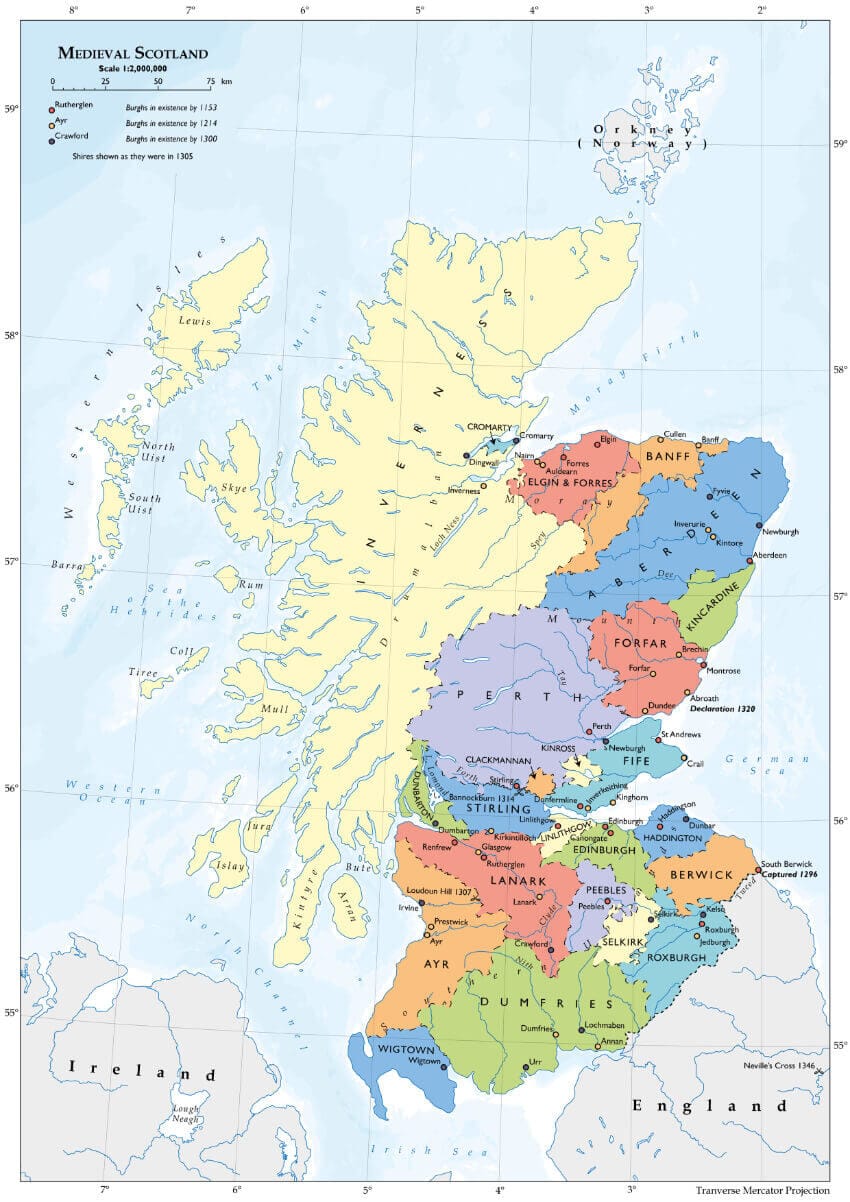
Wallace could not lead a national rebellion because Scotland did not exist; what we call "Scotland" today was a collection of rival clans led by independent nobility. The "King of Scotland" ruled by negotiation, not by command.
Medieval "Scotland" was not one people and not one language. Each people had their own language, identity, and even laws.
Medieval Scotland — Map
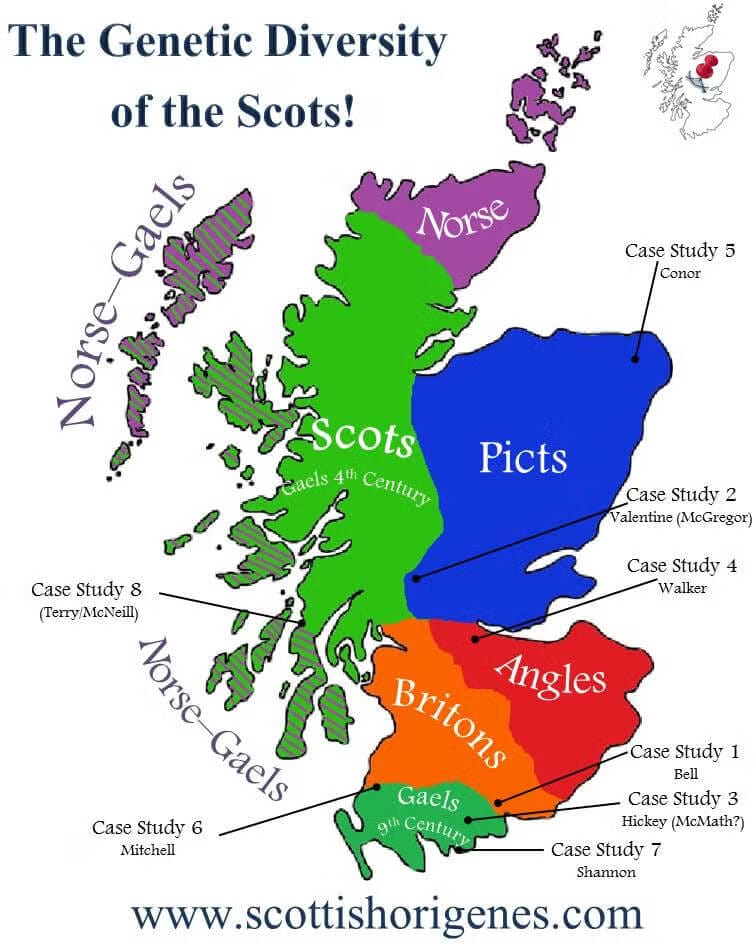
Picts, Gaels, Britons, Angles, and Norse were the main distinct peoples that made up what we now know as "Scotland".
Peoples of Scotland — Map
In fact, even modern Scotland (which technically doesn't even exist) does not speak one standardized "Scottish" language.
Modern Scottish Accents & Dialects — Map
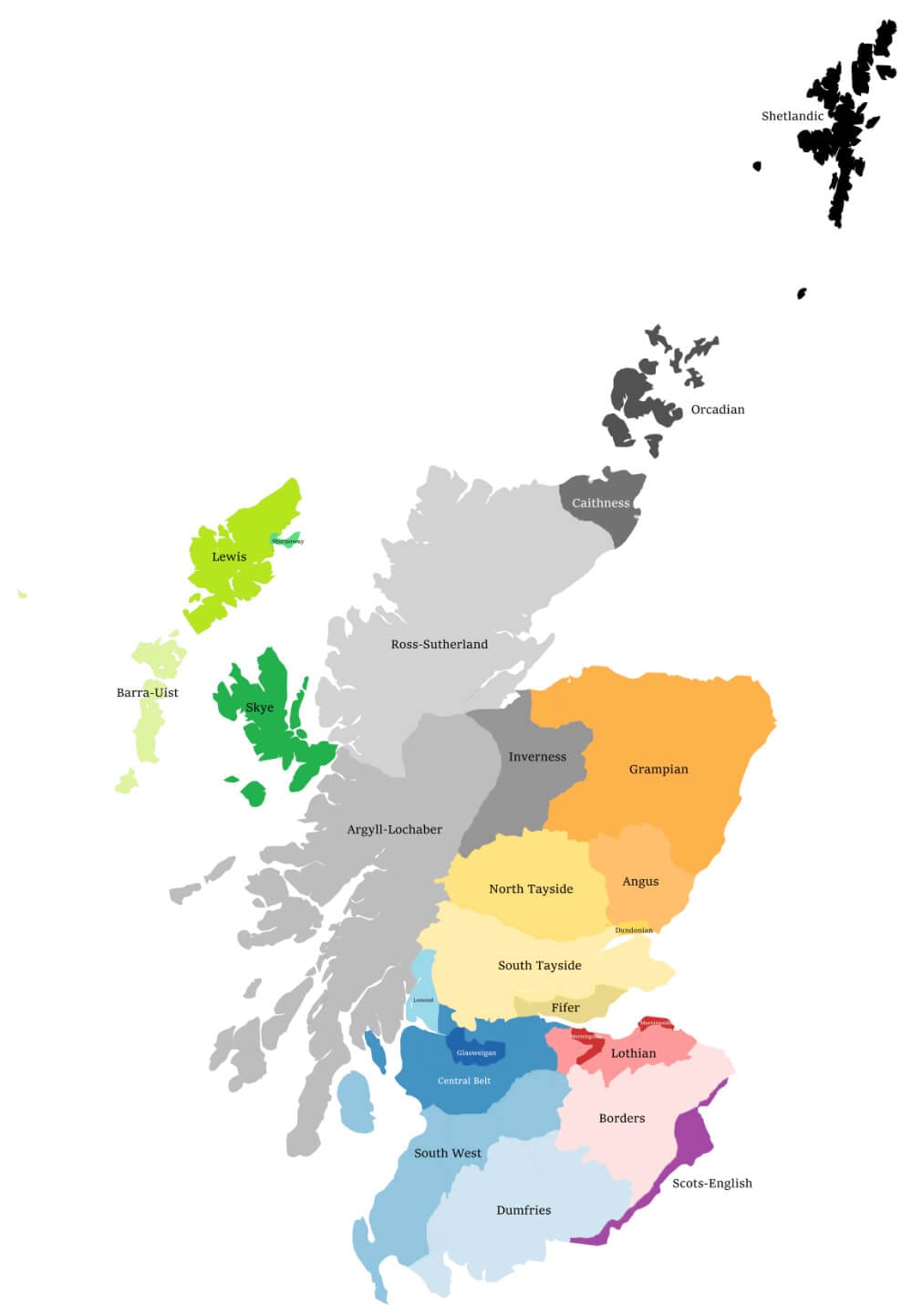
Guide to Scottish Accents - Click to expand
[Guide to Scottish Accents — Click to learn more about modern Scottish dialects and accents (external website)]
No one could say: "I am Scottish" in 1297 because Scotland was still feudal and not clan-national.
Scotland in 1286 — Map
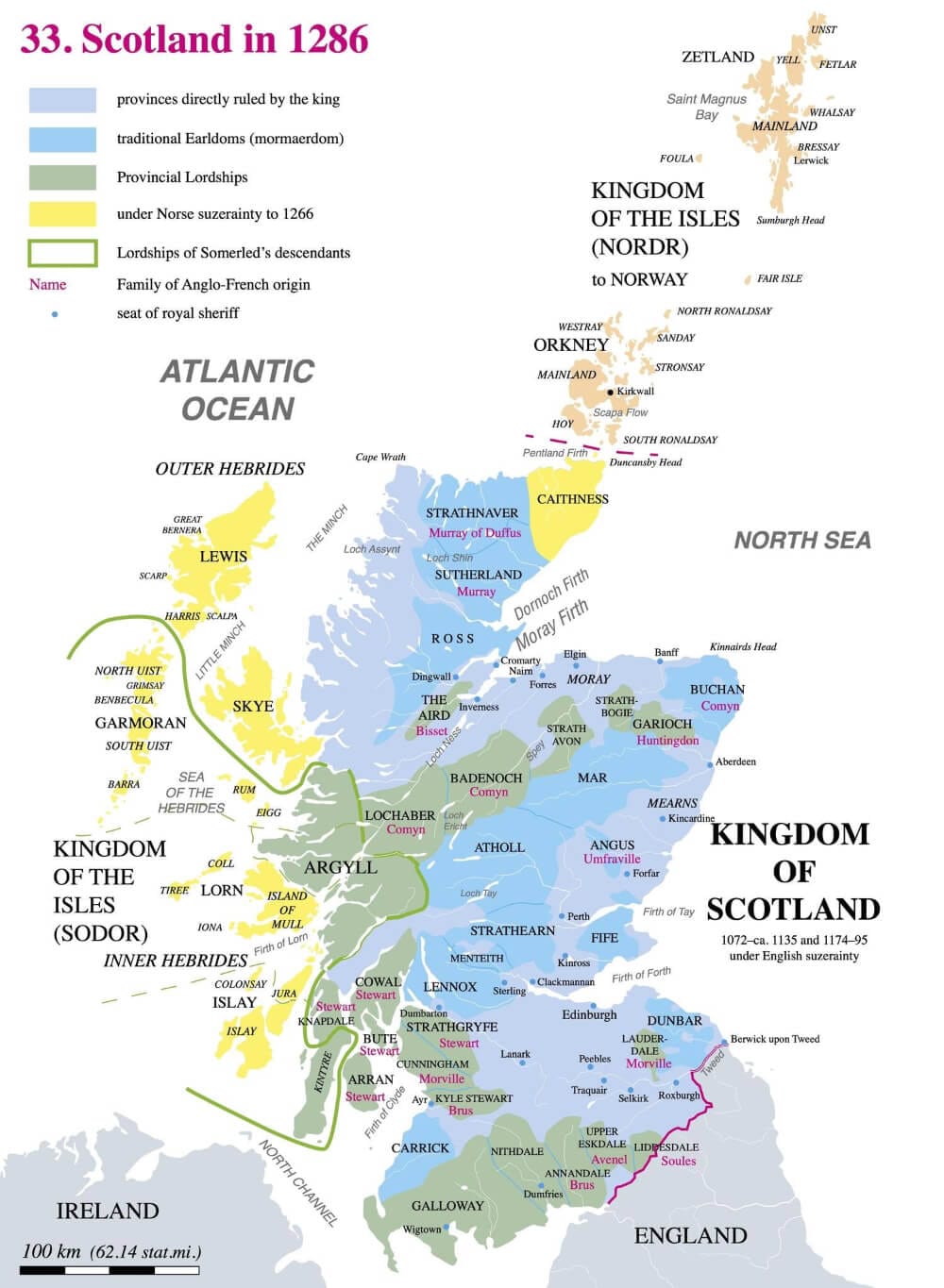
Most Scots today speak "Scottish English", and there are dozens of varieties depending on the specific region. But in Medieval Times, they were not mere dialects of the same central language — they were distinct languages with their own vocabulary and grammar (many of which are now extinct).
William Wallace's uprising was local and, initially at least, no different to hundreds of other "local uprisings" that happened constantly across occupied Scotland. However, where most other uprisings failed (and were entirely forgotten by history), Wallace won several skirmishes and secured a small core of followers made up of dispossessed knights and peasants reacting to English occupation. He was also joined by some highland fighters and local war bands hostile to English garrisons.
It was only after his victory at the Battle of Stirling Bridge that he became a national figure and not just a local rebel.
Battle of Stirling Bridge
In the film Braveheart, the battle happens on an open, flat battlefield. The Scots are massively outnumbered and outgunned, but through the sheer power of freedom and personal determination, they win the battle and return to Edinburgh triumphant.
In reality, the "battle" resembled an ambush more than an honourable, disadvantageous encounter as portrayed in the film.
The English army outnumbered Wallace and had a much stronger, much more numerous cavalry force. Wallace had no chance of winning on an open field; the English cavalry would have decided the encounter before the battle even began.
Wallace engaged the numerically superior English army while it was busy crossing the small bridge, taking it completely by surprise. It wasn't the "honourable" encounter as shown in the film. The victory was possible only due to superior tactics, not a hunger for freedom.
The battle was important because it "proved" that the English can be defeated. But as with most larger-than-life characters and events in history, this too was mythologized and exaggerated greatly.
What actually happened can be summarized like this:
The English commanders made tactical blunders and Wallace exploited them.
That was it.
That's how the Battle of Stirling Bridge can be explained — factually and accurately.
Any other description was propaganda — or, as is the case with Braveheart, "artistic liberties" that priorotize symbolism over accuracy.
After The Battle
William Wallace managed to unite different Scottish groups — albeit briefly.
But Wallace's coalition was not pan-clan. For example, many Gaelic lords were still focused on their own autonomy, and many actually preferred English or even Norwegian backing. The lords had little interest in Wallace, even when declared "Guardian of Scotland". As for the commoners, they typically cared more about family security and local power struggles; the "Scottish" culture or nationality did not interest them very much.
In other words: the majority of "Scottish" society did not care about William Wallace — and even fewer would support him.
But Wallace's biggest weakness was a lack of support from the nobility.
Most major noblemen had already submitted to England — and many held lands in England as well as Scotland. Joining up with Wallace was a political suicide. Additionally, Wallace's rebellion was seen as popular — and if there's anything medieval nobles feared, it was popular uprisings that threatened the feudal status quo.
William Wallace's authority grew after the battle, but remained fragile.
The Undoing of Wallace: Falkirk
A year later in 1298, King Edward I personally led an English army into Scotland. William Wallace tried to retreat his own, much smaller army deeper into Scotland and nearly succeeded in driving King Edward's army to mutiny by refusing them local supplies.
It is believed that Scottish knights deserted Wallace and betrayed his position directly to King Edward I, who pursued Wallace and cornered him at Falkirk — although it is also possible that Wallace's army was tired of hiding and Wallace was forced to confront the English, because if he hadn't, his army might have abandoned him.
The English army outnumbered Wallace more than 2:1. Moreover, English cavalry had a numerical and quality advantage while Wallace's cavalry consisted mostly of nobles who were not loyal and abandoned him en masse without a fight.
Completely outnumbered, the battle was a disaster for Wallace who had to flee. His army perished, his authority collapsed, and Scotland was swiftly brought to heel — although the occupation happened not through violence, but through paperwork and garrisons.
Nearly all nobles swore allegiance to Edward, kept their lands and titles, accepted English oversight and sheriffs, and most importantly, avoided destruction. Defiance risked everything for the cross-border landowning nobles, and the only Scottish "standing army" under Wallace was no more.
The film portrays Scottish nobles as unworthy traitors, but the reality looked closer to this:
"Wallace tried and failed. We must priorotize survival now."
Of course, Wallace did not die and continued his rebellion "underground" by leading small raids and ambushes. But to many nobles, that made Wallace look militarily ineffective (an "outlaw-commander") and politically dangerous. Wallace had nothing left to lose; land-owning nobility did. In any case, William Wallace and Scottish nobles were never a truly unified force fighting to achieve the same goal; nobles wanted stability and order — Wallace did everything to achieve the opposite.
The illusion that Scotland can beat England was shattered, and whatever unity that Wallace had achieved at Stirling Bridge disintegrated almost instantly; submission spread across the country, English law returned, and the short-lived "Scotland" splintered into the competing fiefdoms it had always been.
William the Savage
Throughout the rebellion, Wallace killed English soldiers outside of battle, destroyed property, murdered officials, and executed local collaborators — peasants and nobles alike. Furthermore, sources describe atrocities on both sides, with many claiming that Wallace led raids directly into England, killing thousands of unarmed civilians.
To be fair to William Wallace, nothing he did was "unusual" for the time he was alive. Moreover, Scotland was under foreign occupation and Wallace's actions are not any more cruel or savage than you would expect from a typical medieval resistance fighter. That is especially true when you remember that King Edward I committed acts even more cruel than William Wallace ever did.
Wallace was not the spotless knight from the film, but neither was he a uniquely evil figure by medieval standards. But even if we accept that Wallace wasn't as bad as the English, that still does not justify his actions.
You cannot take a medieval freedom fighter like Wallace and judge him through a modern 21st-century lens. And let's not pretend that anything he did was ever considered "moral," because it wasn't. This is why Scottish propaganda overlooked his atrocities. But especially in the 21st century most people would refuse to sympathize with the real Wallace, no matter his motivations or background.
Modern audiences might sympathize that an English sheriff murdered his wife, but that's no reason to kill thousands of English peasants who had nothing to do with it.
But here's the kicker: Out of thousands of failed rebel commanders, we remember only Wallace.
Why?
Wallace's Execution
William Wallace was charged with a plethora of bogus, nonsensical crimes. The most incredulous one was his treason accusation.
Because Wallace was tried by his enemies, those charges have to be considered as both evidence and propaganda — evidence because they were based in fact, propaganda because they were greatly exaggerated and a direct response to English oppression.
The charges aimed not to punish him on behalf of his victims, but to challenge his legitimacy and strengthen King Edward I's authority as the king of both England and Scotland — and, of course, to terrify any would-be rebels into submission.
William Wallace's death was brutal and painful.
...and it may have been exactly why he later became the romanticized martyr for pan-Scottish nationalists.
Wallace the Martyr
While still alive, Wallace's renown threatened Scottish nobles. After his death in 1305, he became a martyr almost overnight. Not a rebel, not a failed commander, not a berserker, but a national symbol. A victim of unjust rule who never submitted, never begged...
...and crucially, could no longer threaten the interests of the nobility.
Ironically, Wallace's death reframed the conflict especially for the Scottish gentry.
The Scottish elite had assumed that submission will buy them safety and stability. Yet even though resistance collapsed years before, and Scotland was formally under the thumb of King Edward I, the message that the English King unintentionally sent was:
"You can be defeated. You can submit. You can be pacified. And it will not buy you survival."
So why submit, then?
Monarchical Resistance
William Wallace's death cleared the political field for Robert the Bruce to crown himself king and lead a new rebellion. Only this time, the rebellion was elite-led and legally framed.
Incidentally, the same nobles that despised Wallace before, now used his martyrdom as a symbol of moral legitimacy.
Crucially, Robert the Bruce could only rebuild resistance because the English repression was systemic. William Wallace's rebellion was popular because of the brutal policies employed by England. His death tipped the scales and became the spark for another uprising almost immediately — because the causes of Wallace's rebellion were still everpresent in Scotland: massacres, starvation, collective punishment of civilians... and theatrical executions.
But the new rebellion did not concern individual grievances. This time, the narrative changed to:
"We fight as one. For one kingdom, for one community, and for the freedom from foreign lordship."
This is the earliest that the idea of Scottish nationality could have emerged.
Ironically, it was the systematic brutality of the English between 1296-1307 that gave birth to Scottish nationalism — so even if William Wallace never existed, there is a good chance that Scotland as a nation would still emerge, although probably much later and much more fragmented.
Another William Wallace was not out of the question, but he was not guaranteed.
Scotland eventually won its independence in 1328 and became a country for the first time. William Wallace, on the other hand, survived in legends till this day.
Interestingly, Scotland did not magically transform into a truly united nation despite their common struggle. Its people were still divided, spoke different languages, and retained their distinct cultural heritage. It would take centuries for Scotland to fully centralize and develop what in the 21st century is known as a "national identity".
Significance of William Wallace
Let's be brutally honest.
As of 2026, Scotland does not exist as a fully independent state. It was conquered repeatedly and remains integrated in the United Kingdom as a semi-independent junior state. Its population is tiny, hovering around 5.5 million people — which is barely 0.07% of the world's total population. It's weak, dependent, and unremarkable. Tourism is a cornerstone of its economy, but apart from that, there is no reason to care about Scotland.
For all intents and purposes, Scotland is an insignificant country with no bargaining power, no real importance, and does not influence current world events in any way. I know I sound cynical, but that's just the way things are.
It's a tiny country, peripheral to other European states. Completely unimportant.
Even if William Wallace was the hero as depicted by Braveheart (he was not), it doesn't explain how he achieved his current global recognition. Because yes, Scots have known about William Wallace for centuries — and especially since the 19th century as part of the Scottish Independence Movement to promote Scottish nationalism (and the idea of Scottish greatness).
But as I have pointed out, Scotland is not *important* enough that its kings and heroes should matter to anyone outside of Scotland. Wallace was no Roman Emperor, he did not match Alexander the Great in achievement, he did not invent anything...
So why did he get remembered? Why the global fame?
Modern Cinema
Meet the film industry of the United States, Hollywood.
For context, Hollywood has dominated the film industry worldwide for over 100 years.
Although that's not because it produced superior films or hired better writers. Hollywood, for lack of a better term, got lucky; it had the geography, capital, and logistics to produce and distribute movies at a steady rate. Competitors faced barriers to entry.
If that weren't enough, European film industries were devastated by war (1939-1945). Hollywood was intact, its infrastructure and capital strong as ever.
Through sound decisions, global marketing, and safe film-making bets (which I have no time to discuss right now), Hollywood expanded to other countries. As of right now, Hollywood is practically synonymous with "film" in every part of the world.
And so this is how Hollywood became the giant it is today, and it explains where its power to shape historical memory comes from — its distribution dominance that can reach every theatre worldwide.
And what's more, Hollywood understands this one core truth:
"If you want to remain profitable, you have to cater to your audience" — Hollywood Business Model in a nutshell
And the truth is that most people care little for history. They want symbolism, entertainment, and a simple "good-versus-bad" moral lesson.
The complexity of real William Wallace does not fit a blockbuster film, so it was erased.
The William Wallace most people recognize now can be summarized like this:
"A low-born peasant warrior-knight who rose up to defend the Scottish people from English tyranny. Inspired by love and freedom, he was betrayed by corrupt nobles and traitors. He died tragically so that others did not have to."
Poetic, symbolic, with a clear distinction between good versus evil. Moreover, it sounds plausible, so people assume it is real.
The result?
A mythologized warlord becomes mythologized for the nth time, but this time in front of a global audience. He becomes a reluctant pacifist that was forced into war and unjustly betrayed.
So the transformation took him from a failed rebel commander, through the national symbol of Scottish resistance, to the international symbol of freedom and justice.
Sounds impossible. But it really happened.
I don't think Mel Gibson ever explained why he decided to make a film specifically about a failed Scottish commander. He is known for a few anti-English films in which the English are portrayed as the biggest villains the world has seen since the Assyrian Empire. And because England attacked Scotland numerous times, why not make a film about Scotland too?
So Scotland and its hero received global fame by luck. It doesn't get any deeper than that.
The "Wallace Effect"
"The Wallace Effect - the process by which a historical figure is rehabilitated and exaggerated over time."
I have coined this term specifically after William Wallace because of how blatantly obvious his "Wallace Transformation" was.
The real William Wallace was a local rebel and a failed commander. Motivated most likely by greed and power hunger, he raided, pillaged, killed, and terrorized his English enemies (and innocent people) for his own gain.
But William Wallace served a purpose: to unite Scottish nobility and commoners under one banner to fight against a superior foe.
Exaggerate Wallace's physical attributes (he was described as a 7-feet tall giant), minimize his crimes (do not mention his mercenary background), embellish his victories, and finally present him as a victim of injustice. Do all that and you will inspire Scots to take up arms and measure themselves against (unrealistic) Wallace's achievements.
As time went on, William Wallace's story was rewritten, embellished, and used aggressively by Scottish nationalists to promote Scottish unity — because Scotland was "conquered" again in 1707 and it needed a hero to inspire another wave of resistance.
Finally and most notably, in 1995 an American filmmaker motivated by profit decided to rewrite his character even more to impress his own global audience — an audience that wanted a poetic story of rebellion, freedom, and love. The film was a success, received numerous awards, and became THE "primary source" of William Wallace.
And so after 700 years of evolution, William Wallace is no longer the self-interested, brutal mercenary that he really was; he is a pious, altruistic, brave hero who tragically died for Scotland and its people.
Examples Of The "Wallace Effect"
The Wallace Effect is a universal human mechanism. NOT isolated incidents.
What happened to William Wallace is the same thing happening right now to other obscure historical figures. Propaganda and pop culture turn them into icons that bear only a passing resemblance to who they really were.
The Wallace Effect can vindicate any historical figure — or even entire groups or states. There is no historical figure so despicable that they cannot become heroic in the imagination of a people.
1. William Wallace (named after him) was a historical maniac and thug, no different from other "freedom fighters" or "independent knights" of his age. He did not care about his people, he did not fight for modern democracy, and was just as ruthless and cunning as his English adversary. Either he went mad after finding the love of his life dead (and killed many innocent peasants who had nothing to do with it), or he was really just another mercenary, a vulture hoping to enrich himself in battle and plunder.
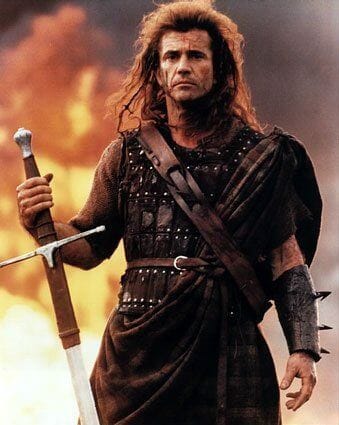
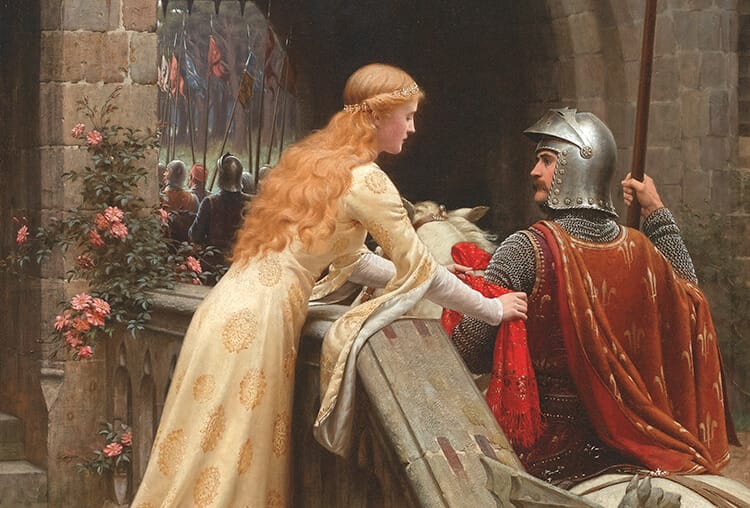
2. Medieval Knights are a Western symbol of duty, honour, and gallantry. In reality, they were nothing more than armoured thugs acting as the henchmen of their liege. They were not the romantic "protectors of the weak" you thought they were — they were the ones the weak needed protection from.
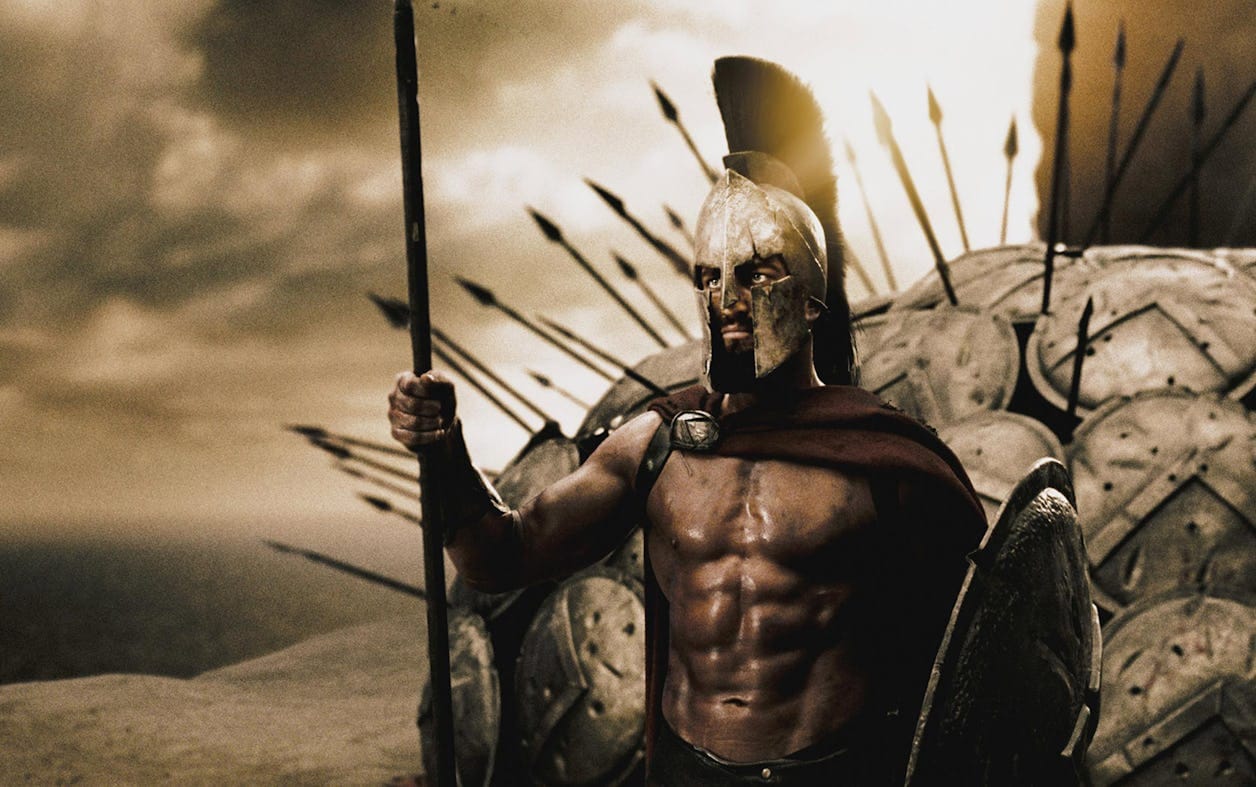
3. Sparta went from being an obscure, failed Greek city-state to a cultural icon of masculinity, bravery, and strength. A child-murdering slave society was given a legendary aura of invincibility that they — the Spartans — historically used as a shield to avoid confrontation. When confrontation was inevitable, they often failed in battle until Sparta eventually collapsed.
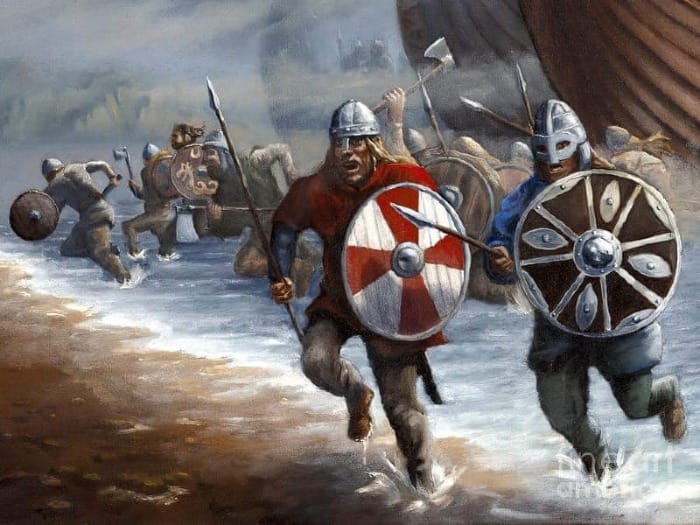
4. Vikings are considered "noble warriors", unbeatable and feared by early Europeans. Stories tell of kings giving away tonnes of gold and silver and begging the Vikings to leave them alone. In reality, "viking" is not an ethnicity, but a way of life. Furthermore, most Vikings were not even "warriors" — I am not aware of even one Viking warrior. They were opportunistic raiders, slavers, or more commonly, traders and sometimes even explorers. They relied on hit-and-run tactics against undefended coastal villages and monasteries, and were "unbeatable" only against unarmed civilians.
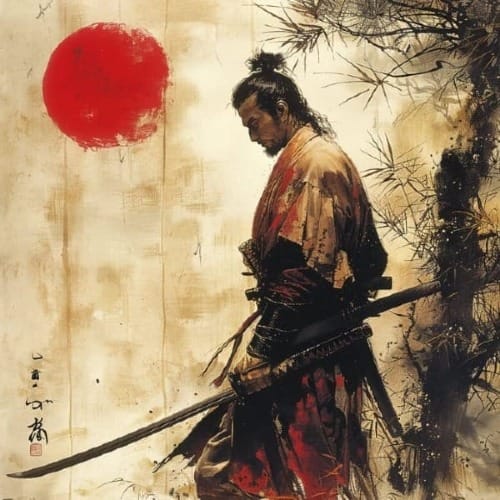
5. Samurai are remembered as honourable warriors following "bushido" — an ancient samurai code that never existed, very similar to the "chivalry code" of European knights. They were not skilled swordsmen, defenders of the weak, philosophers, or anything else that they are imagined to be. Samurai were brutal tax collectors and violent bureaucrats who could legally kill commoners, switched sides based on payment, and when it comes to fighting, preferred bows over melee combat — because their sword skills often left much to be desired, and shooting foes is safer than fighting up close.
6. Winged Hussars were an expensive heavy cavalry military elite of an obscure and non-existent state, the Polish-Lithuanian Commonwealth. In modern Poland, they are revered for stunning military victories, and especially for "their" victory at Vienna in 1683, where they supposedly "saved Europe" from Islam. In reality, they came exclusively from oppressive nobility, often refused to fight or switched sides for money, and lost many battles that were deliberately forgotten. They were effective against technologically inferior foes, but ineffective against anyone else. They quickly became obsolete and forgotten — until being revived and used for political and nationalist purposes in 21st-century Poland.
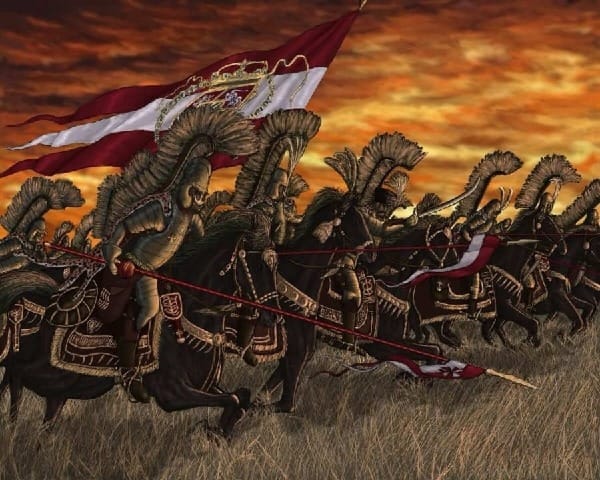
This is only a handful of examples. Nearly every culture and nation idolizes SOMEBODY who they believe was divine, heroic, or superhuman.
Prehistoric humans idolized the Sun.
Ancient Romans idolized the Greek Gods.
Medieval Europeans idolized Jesus Christ.
"Enlightened Europeans" idolized the Ancient Greeks.
Modern Westerners idolize... everyone on my list — and more.
To list all idols of 2026 is nigh impossible. Culture, nationality, personal beliefs, etc all influence which historical-but-distorted figures provide value and meaning to an individual person or group.
But all idols have one thing in common: they did not happen — at least not how they are remembered in the popular imagination.
Future "Wallace Transformations"?
Medieval knights were the bane of medieval folk for hundreds of years, but when their victims passed and the first-hand sources disappeared, their stories were retold by later generations and adapted into poems, books, and currently movies and cartoons.
Even Julius Caesar managed to become remembered in a positive light for his illegal coup, killing and enslaving millions of people, and his death is considered "tragic and unjust". He is currently ballyhooed as a military genius, champion of the people, and the bringer of civilization. In the popular imagination, Julius Caesar's character embodies strength, masculinity, and leadership — not slavery, cruelty, or power hunger.
Similar to how ancient Sparta went from a failed city-state to the symbol of masculinity and strength it never was.
Or how Napoleon Bonaparte was vindicated in only 200 years, becoming widely regarded as the best general in history, enlightened and benevolent ruler, and a modernizer who championed meritocracy, equality before law, and the reformist genius that fundamentally changed the fabric of European society.
Like I said, there is no historical figure so despicable that they cannot become heroic in the imagination of a people.
If someone like Julius Caesar, ancient Sparta, or even medieval knights can be vindicated...
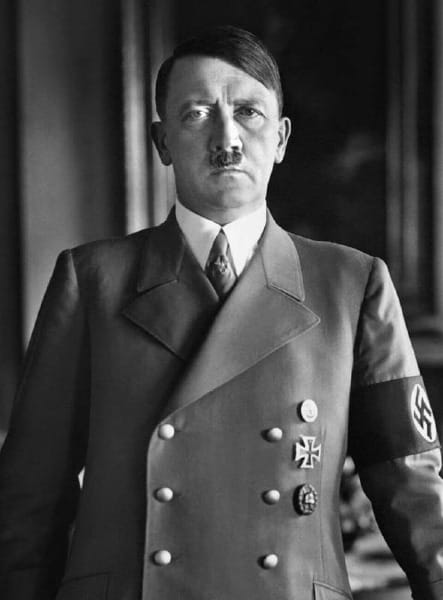
...what's stopping Adolf Hitler from getting his own Wallace Transformation?
This seems impossible right now, but only because of the moral consensus of right now.
But the moral consensus is not universal globally. Or even locally.
It's only been 80 years since Adolf Hitler's death, and revisionists are already hard at work, attempting to rewrite his story in a more positive light.
Despite the popular narrative, Adolf Hitler has no shortage of Western supporters — even among enemies — who regard him highly and engage in deliberate counter-propaganda by downplaying or denying his actions, embellishing his character, and using him as a rallying symbol against "the external parasite" or "heathen invaders", i.e. refugees, immigrants, or ethnicities of different cultures and religions than the dominant one.
(The topic of immigrants and refugees in Europe is too complicated to discuss here at length. Suffice it to say, not every Westerner likes them, and many look up to Adolf Hitler for the "solution")
This is no longer pure speculation. This is history happening in real time.
Give it 50 or 100 years, and the narrative WILL CHANGE.
Give it another 500 years, and Adolf Hitler might become a reluctant freedom fighter — just like William Wallace.
Because you might think Adolf Hitler will never be rehabilitated by history. Surely, someone as well-documented and vile as him could not possibly escape the moral judgement of future civilizations. It shouldn't matter how much time will have passed! History always remembers!
...but history doesn't remember truth.
It only remembers what survives.
And history can be rewritten.
Final Thoughts
Look who we've already rehabilitated:
- Sparta - a failed slave state that collapsed from internal contradictions
- Knights - feudal enforcers who terrorized the peasants they claimed to protect
- Samurai - tax collectors who could legally murder commoners for disrespect
- Vikings - pirates whose main business was capturing and selling slaves
- Winged Hussars - obsolete cavalry invoked to inspire nationalism
Forget William Wallace. We've rehabilitated figures far worse than him.
If we can transform slave-traders and child-abusers into symbols of honour and virtue while evidence of their brutality still exists...
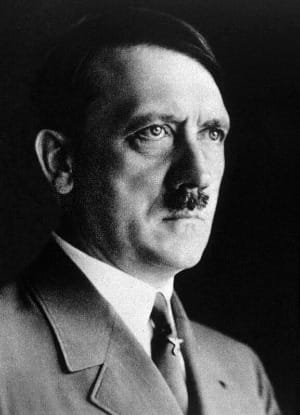
...why couldn't we do the same to Hitler, given a thousand years and the right motivation?
These myths exist because they serve the present needs: nationalism, masculinity, corporate culture, entertainment, physical fitness...
"Train like a Viking!" hits harder than: "Train regularly."
"Polish Winged Hussars saved Europe at Vienna!" sounds heroic. "Combined European armies defeated a badly led Turkish army" sounds unremarkable.
"Spartan mindset is the key to success!" sells books. "Sparta was a slave state with institutional pederasty that suffered military defeats" does not sound masculine.
...
This is absurd.
But the pattern transcends time periods, geography, nationality, scale, and it does not care how ridiculous or brutal a historical figure was.
Why can't Adolf Hitler follow in their footsteps? The groundwork has already been laid.
Time will do the rest, and history accept a new heroic narrative.
Just like it always has.
Enter your email
Posts take ages to come out. Subscribing means you come back only when new posts are up.


Member discussion